|
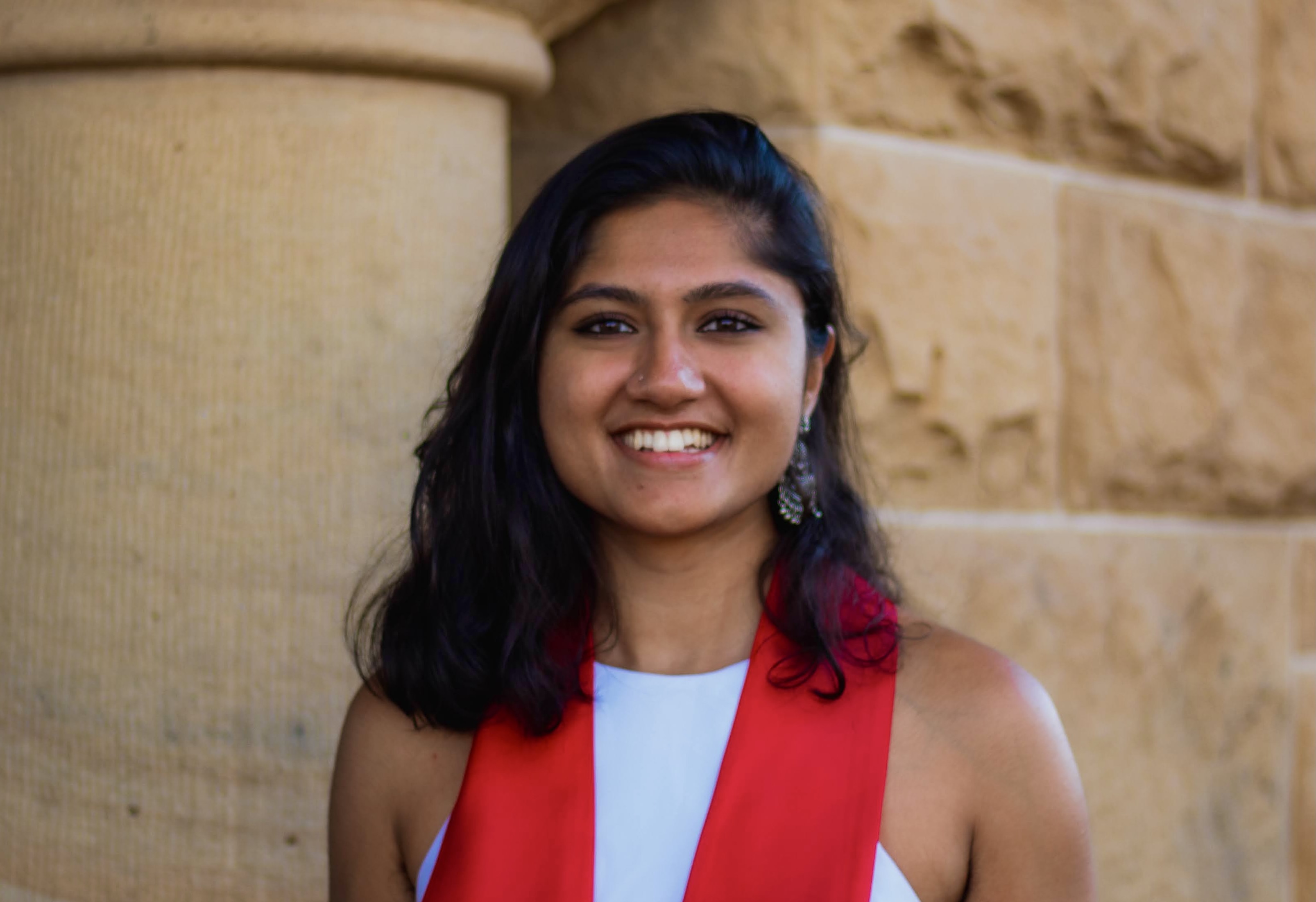
I am a third year PhD candidate in Computer Science at Stanford University. I am advised by Professor Sherri Rose and co-advised by Professor Sanmi Koyejo, and I am a member of the Health Policy Data Science Lab, led by Professor Rose. My research interests are at the intersection of machine learning algorithms and health equity. This includes using statistical, machine learning, and mixed-methods approaches to understand how social factors impact health disparities, as well as exploring how the use of algorithms in healthcare settings can amplify or reduce health inequities. My current academic side quest examines how critical perspectives are marginalized in AI research, and how dominant research norms might be reshaped. Previously, I received my B.S. in Computer Science from Stanford, and worked at the Broad Institute of MIT and Harvard. Outside of research, I love martial arts, dancing, and ceramics! |
|
|
|
|
Agata Foryciarz*, Neha Srivathsa*, Oshra Sedan, Lisa Goldman Rosas, Sherri Rose Under revision; 2025 preprint Using community based system dynamics methodology, we co-created a formal causal graph representing the social factors affecting chronic kidney disease and the relationships between them, along with patients directly impacted by the condition. |
|
Neha Srivathsa, Sherri Rose Machine Learning for Health (ML4H), to appear; 2025 Presenting a correspondance between social drivers of health and algorithmic harm frameworks, we show how underemphasized algorithmic harms can amplify health inequities. We recommend the consideration of social factors throughout the pipeline of sociotechnical system development. |
|
Crystal T Chang*, Neha Srivathsa*, Charbel Bou-Khalil, Akshay Swaminathan, Mitchell R Lunn, Kavita Mishra, Sanmi Koyejo^, Roxana Daneshjou^ PLOS Digital Health; 2025 paper We evaluated the potential of LLMs to propagate anti-LGBTQIA+ medical bias and misinformation by testing four LLMs with prompts designed by LGBTQIA+ health experts, including prompts pertaining to historical and current biases. We assessed responses for appropriateness (including accuracy and bias) and clinical utility. |
|
|
Design and source code from Jon Barron's website. |